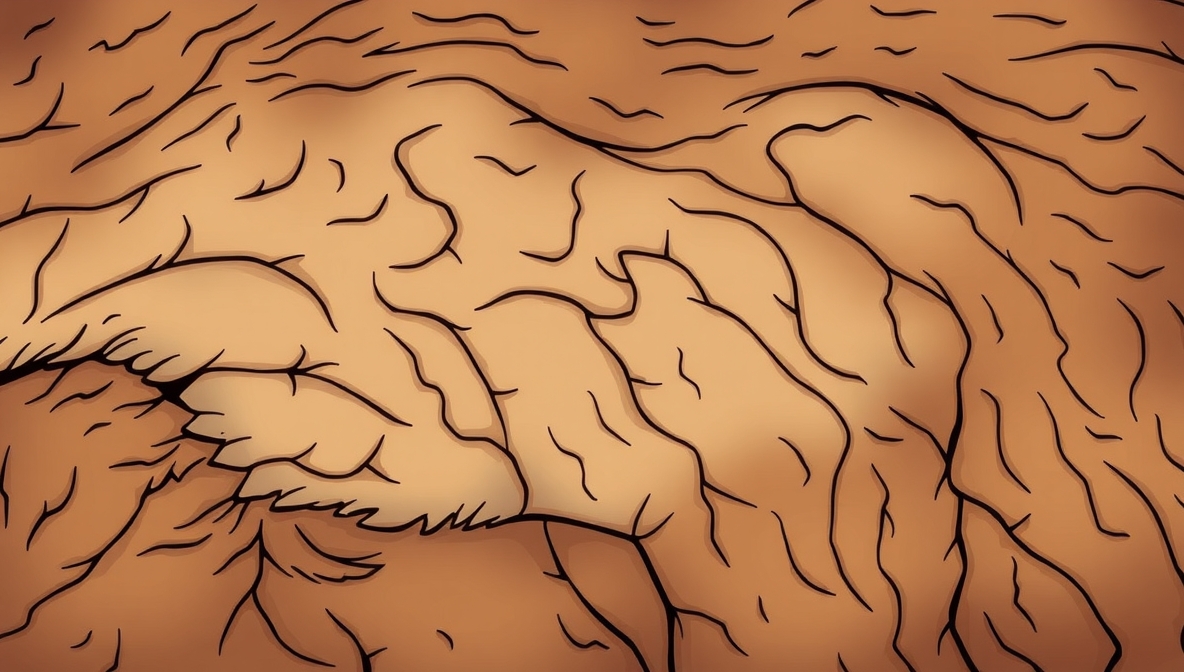
Leathery Hide is a special kind of skin that feels thick, tough, and a little rough. When we say an animal has a leathery hide, we mean its skin is strong and can protect it from heat, cold, and sharp things. You can find leathery hide on animals like elephants, rhinos, crocodiles, and turtles. Their skin helps them stay safe and live in different kinds of weather. People also use the term leathery hide when talking about something that looks or feels like leather, such as old fruit skin or strong tree bark. It’s an interesting word that helps us understand how nature makes some creatures extra tough!
Leathery hide is not just about animals; it tells a bigger story about survival and nature’s design. Some animals have thick hides to stop water loss, while others use them as armor to stay safe from enemies. For example, crocodiles have leathery hides with hard scales that work like shields, while elephants use theirs to keep cool in hot weather. Even sea turtles have leathery hides that help them move fast underwater. Humans have learned from these natural designs to make things like leather bags, shoes, and jackets. Learning about leathery hide helps us see how amazing nature really is—it shows that every detail, even skin, has a special purpose in the world.

Animals with Leathery Hide
When we talk about leathery hide, the first animals that come to mind are elephants, rhinos, and crocodiles. These animals are known for their thick and rough skin. Elephants have gray, wrinkled skin that can be up to one inch thick. Their leathery hide protects them from the sun and helps them keep cool. They also use mud and water to cover their skin, which acts like sunscreen and keeps insects away.
Rhinos have even tougher skin. Their hide is made of layers that are so strong, it feels like armor. This helps protect them from sharp thorns and bites during fights with other animals. Crocodiles and alligators have a leathery hide full of scales. These scales are hard and bumpy, making their skin waterproof and strong. Turtles also have leathery hides, especially sea turtles, whose skin helps them swim fast and live in salty ocean water. Each of these animals has a unique hide made for their lifestyle.
Why Do Some Animals Have a Leathery Hide
Leathery hides exist because of nature’s amazing design. Some animals live in places where the sun is very hot, like deserts, or where the water can be rough, like oceans. To survive, they need special skin that can handle those tough environments. A leathery hide helps animals stay safe, cool, and strong. It also helps them avoid getting hurt easily.
For example, the elephant’s leathery hide keeps it cool even when the weather is hot. The rhino’s hide helps it survive fights and attacks. For reptiles like lizards and crocodiles, their hides stop them from losing water in dry areas. In short, a leathery hide gives animals the protection they need to live comfortably in the wild.
How Leathery Hide Protects Animals
A leathery hide works like armor. It is thick, strong, and sometimes even flexible. This kind of skin can stop insects from biting too deep and protect against injuries. When an animal gets scratched by branches or fights another animal, the leathery hide helps it heal quickly.
For crocodiles, the leathery hide has scales made from keratin, the same protein found in human nails. This makes their skin hard to cut or bite through. Turtles use their leathery hide to stay safe underwater. Even though their shell is their main protection, the leathery parts of their body are still very important. Elephants and rhinos use their hides as shields against the sun and bugs. It’s amazing how this natural skin type helps animals live safely every day.
Amazing Facts About Leathery Hide
The leathery hide might look simple, but it is full of surprises. For example, an elephant’s skin has tiny cracks that help hold water and mud, keeping it cool. Crocodile skin is so strong that people once used it to make armor and bags. Sea turtles’ leathery hides are very light, which helps them float and swim for long hours.
Some animals even change their leathery hide over time. Reptiles like snakes shed their outer skin as they grow. This helps them stay healthy and clean. The hide also helps animals feel the environment. Even though it looks thick, leathery hide has nerves that can sense heat, touch, and pain. So animals can still feel what is happening around them.

Leathery Hide in Reptiles and Mammals
Both reptiles and mammals can have leathery hides, but they are made differently. In reptiles, the hide has scales that grow from the skin. These scales help stop water loss and protect against sharp objects. Crocodiles, snakes, and lizards are perfect examples. Their leathery hides are made to last a long time and survive in dry or wet places.
In mammals, leathery hide looks different. Elephants and rhinos have thick, folded skin. It doesn’t have scales, but it is still tough and flexible. Their hides are made of collagen fibers that make the skin stretchy and strong. Even whales have leathery skin that helps them stay warm in cold oceans. This shows that nature creates the perfect kind of hide for every animal type.
The Difference Between Leathery Hide and Soft Skin
Leathery hide is very different from soft skin. Soft skin, like that of humans or cats, is smooth and thin. It can be hurt easily and needs more care. Leathery hide, on the other hand, is thick and rough. It can survive harsh sunlight, dust, and even small cuts.
Animals with soft skin usually live in safe places or have fur to protect them. But animals with leathery hides live in tough environments. Their skin is their best protection tool. The leathery hide may not look beautiful, but it is strong, useful, and built for survival.
How Humans Use Leathery Hide for Products
Humans have used leathery hides for thousands of years. When an animal’s hide is treated and dried, it becomes leather. People use this leather to make shoes, bags, belts, jackets, and furniture. It lasts a long time and looks stylish.
In the past, warriors even used leather for armor because it was strong but still light to wear. Today, factories use animal hides in a safe and clean way to make beautiful leather goods. There are also artificial leather products made from plants and plastic. These are good for people who don’t want to use real animal hides. The idea of using a leathery hide shows how humans have learned from nature’s smart designs.
Nature’s Smart Design: Lessons from Leathery Hide
Leathery hide teaches us how creative nature can be. Every wrinkle, bump, and fold has a reason. It helps animals survive and adapt. Humans have copied this design to make better materials and clothes. For example, waterproof jackets and tough boots are inspired by reptile hides. Scientists study these skins to create new technology like protective gear and eco-friendly leather alternatives.
By learning from the leathery hide, people can understand how strong and smart nature really is. It reminds us that every part of an animal, even its skin, plays a big role in keeping it alive.
The Beauty of Leathery Hide in Nature
At first glance, leathery hides might look rough or unattractive. But when you look closely, they show beauty and purpose. The patterns on a crocodile’s hide, the wrinkles on an elephant’s skin, and the shine on a turtle’s back all tell stories about survival. These hides are proof of how nature builds strength and style together.
Leathery hides also remind us of balance. They show how animals and the environment work together. A turtle’s hide matches the color of the ocean floor, helping it stay hidden from enemies. An elephant’s hide matches the dusty land it walks on. Every color, texture, and thickness has a reason.
Human Connection with Leathery Hide
Humans have always been fascinated by leathery hides. In ancient times, people respected animals with tough hides because they symbolized power and protection. Hunters and tribes would wear leather to show strength. Even today, leather clothes and accessories are signs of durability and style.
But now, people are more careful about how leather is made. Many companies use fake leather or recycled materials to protect animals. Scientists are also finding new ways to make leather without harming nature. So, the idea of leathery hide continues to grow, combining tradition with modern care for the environment.

Caring for Leathery Products
Just like animals take care of their hides naturally, humans should also care for their leather products. If you own leather shoes or bags, keep them away from too much sun and water. Use soft cleaners to keep them shiny and flexible. Real leather can last for many years if it’s cared for properly. This shows how durable and valuable leathery hide really is, even when used by humans.
Leathery Hide in Daily Life
You may not notice it, but leathery hide is part of daily life. From car seats to wallets and jackets, it’s everywhere. It gives a sense of quality, warmth, and toughness. People love it because it feels natural and lasts long. Even fake leather has become very popular because it looks like the real thing but is animal-friendly.
The leathery hide connects us to nature in a small but meaningful way. It reminds us of how animals live, protect themselves, and adapt to the world.
Conclusion
Leathery hide is one of nature’s most amazing creations. It shows how smart and strong animals can be. From elephants and rhinos to turtles and crocodiles, this kind of skin helps them live, grow, and protect themselves. Humans have learned from leathery hides to create materials that are durable and beautiful. Whether it’s in the wild or in our homes, the leathery hide reminds us of strength, survival, and nature’s creativity.
FAQs
What does leathery hide mean?
It means a thick, tough, and strong kind of skin found on animals like elephants and crocodiles.
Which animals have leathery hides?
Animals like elephants, rhinos, crocodiles, turtles, and some lizards have leathery hides.
Why do animals need leathery hides?
They need them for protection from the sun, water loss, and attacks from other animals.